
2026 Graphic Design Trends: Where Human Craft Meets AI Amplification
In 2026, graphic design strikes a bold balance between raw human imperfection and AI-powered innovation. Designers are rejecting hyper-polished AI aesthetics in favor of tactile textures, emotional warmth, and rebellious authenticity, all while leveraging tools like Midjourney and Adobe Firefly to explore ideas faster.[1][2] At Ramsull, we see this as the perfect evolution—AI amplifies your creative vision without replacing the human touch that makes brands unforgettable.[1]
These trends aren’t just visual shifts; they’re a rebellion against sameness in an algorithm-driven world. From anti-AI crafting to multisensory identities, 2026 demands designs that feel alive, personal, and distinctly human.[2][3] In this post, we’ll break down the top trends, share how we apply them in our branding and Webflow projects, and give you actionable tips to integrate them into your workflow.
1. Anti-AI Crafting: Celebrating the Human Hand
The standout trend of 2026 is Anti-AI Crafting, a deliberate pushback against slick, generated perfection.[2] Designers are embracing hand-built textures like stitched fabric, clay models, ink bleeds, and physical collages to create work that screams “made by humans.”[2] Graham Sykes of Landor calls it design’s antidote to AI saturation, with brands like OpenAI using 35mm film to highlight raw humanity.[2]
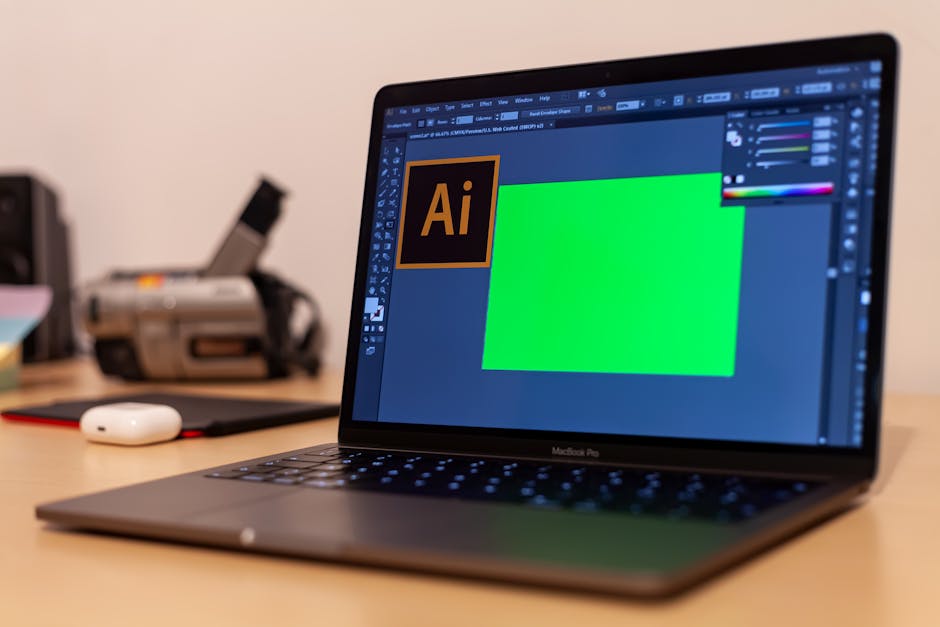
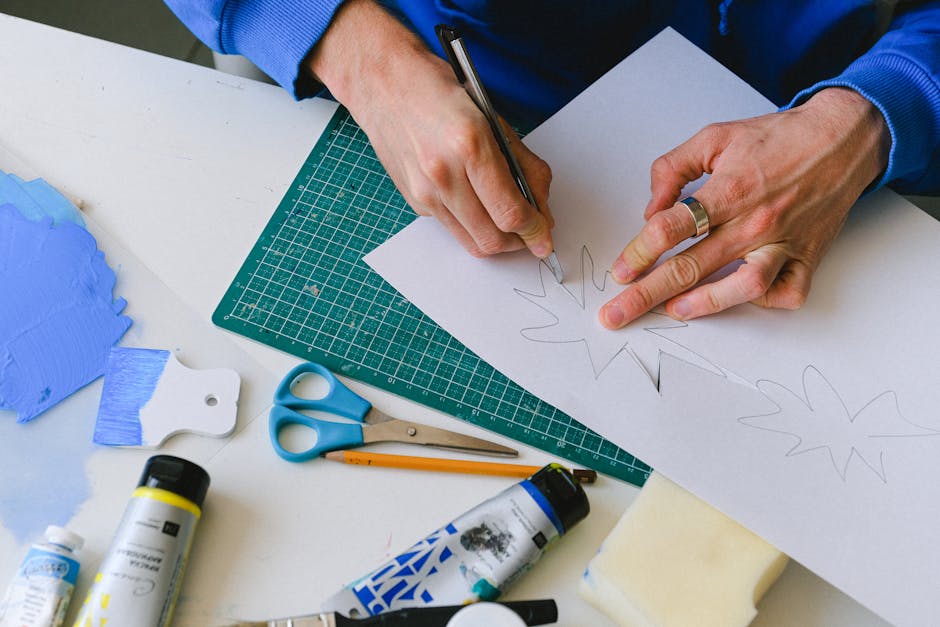
At Ramsull, we start with AI for rapid ideation—generating woodcut-style illustrations via Stable Diffusion—then refine them with hand-drawn overlays in Adobe Illustrator.[1][2] This hybrid approach delivers authentic branding that stands out in crowded markets.
Key Takeaway: AI shrinks the skills gap for traditional techniques; use it to revive woodcuts, stone carving, and gothic typography without starting from scratch.[2]
2. Tactile Textures and Organic Imperfection
Tactile Craft dominates with digitally mimicked embroidery, 3D fabric textures, paper cutouts, and patchwork compositions.[5] Expect real-world color tones over saturated digital hues, creating depth and approachability.[5] This ties into broader “imperfect by design” movements, where serif fonts, muted palettes, and structured layouts replace bubbly maximalism.[7][9]
Nature-inspired elements add grounding: organic shapes, muted palettes, and atmospheric materiality that convey honesty.[4] We’re applying this in Ramsull’s packaging designs, layering AI-generated textures with Photoshop’s neural filters for felt-like wool effects on virtual mockups.[5]
Why it works for brands: In a synthetic world, these textures build trust and emotional connection, perfect for web heroes and print collateral.[2]
3. Emotional Color and Surreal Escapism
AI’s clinical output has sparked a rise in emotional color palettes—brighter, warmer hues paired with surreal, escapist imagery.[2] Think expressive illustrations that inject personality into cold digital spaces.[2] Adobe highlights surreal and absurdist visuals alongside warm, personal styles.[3]
For Ramsull clients, we use AI color generators like Adobe Firefly to prototype vibrant, human-centered schemes, then tweak for cultural resonance.[3] Pair this with neo-brutalism‘s raw layouts and oversized typography for high-impact branding that cuts through noise.[4]
Key Takeaway: Surreal imagery + emotional colors = brands that feel alive and individualistic, countering AI uniformity.[2][3]
4. Modular Layouts and Layered Storytelling
Modular and scattered layouts break free from grids, using freeform, storytelling compositions with collage and layered elements.[1][3] Mixed-media designs layer photography, illustration, typography, and texture for dimensional richness.[4] VistaPrint’s Distorted Cut trend amps this with angular fragments, clashing layers, and chaotic energy.[5]
In our Webflow projects, we build responsive modular systems that adapt across devices, incorporating blurred motion and ink trap fonts for rhythmic disruption.[4] Brands like BrewDog use layered illustrations for instant recognizability from afar.[2]
5. Multisensory and Immersive Identities
Motion is no longer optional—multisensory identities feature gradients, 3D elements, blurred typography, and reactive textures that evolve in real-time.[2] Adobe’s high-energy, immersive styles demand visuals that engage all senses across AI interfaces and large displays.[3]
We integrate this in Ramsull’s web development, using Webflow’s interactions with AI-generated 3D assets from tools like Spline. Sci-fi interfaces and bold 3D meet tactile rebellion for brands that feel dynamic and human.[1][2]
Examples: NADT conference identities and ModeM Works’ projects show how motion communicates energy and behavior.[2]
6. Playful Typography and Neo-Retro Elements
Exaggerated, playful letters dominate, from ink trap fonts to gothic revivals and pixel art systems.[2][4] Digi-Cute brings kawaii motifs with pixel grids and Y2K vibes, balanced by clean typography.[5] Art Deco returns with geometric symmetry and elegant serifs.[8]
Ramsull pairs these with AI prompt engineering for custom fonts—think “gothic typography with ink traps, embroidered texture” in Midjourney—then refines in Figma plugins.[2][4]
Key Takeaway: Typography in 2026 is expressive and disruptive: amplify details for character without sacrificing legibility.[4]
7. Hyper-Individualism and Cultural Flavors
Trends like Elemental Folk, Hyper-Individualism, and local cultural flavors emphasize personality over generics.[5] Neon-Noir adds gritty red-black palettes with motion streaks and street culture influences.[5] Utilitarian design prioritizes hierarchy and efficiency, inspired by signage.[4]
For international clients from our South Korea base, we blend global AI tools with local motifs—generating folk patterns via Claude, then layering for bespoke identities.[5]
Practical Tips: Implement 2026 Trends in Your Workflow
Ready to future-proof your designs? Here’s how we at Ramsull integrate these trends daily.
- Start with AI Ideation: Use Midjourney prompts like “anti-AI craft: hand-stitched woodcut portrait, tactile texture, warm earth tones” for quick explorations.[1]
- Layer Human Touches: Import AI outputs to Procreate or Photoshop; add scans of real fabrics, ink, or clay for authenticity.[2][5]
- Build Multisensory Webflow Sites: Combine Lottie animations with 3D embeds; test modular layouts for mobile-first responsiveness.[2]
- Curate Emotional Palettes: Tools like Coolors AI + manual tweaks ensure warmth; reference nature for organic grounding.[3][4]
- Prototype Typography Play: Figma’s AI plugins for ink traps; pair with distorted cuts for edgy branding mockups.[4][5]
- Test for Tactility: Use Substance Painter for 3D textures; print prototypes to verify handmade feel.[5]
- Measure Impact: A/B test layered vs. flat designs on client landing pages for engagement lifts.[2]
Quick Reference: Ramsull’s 2026 Trend Toolkit
- AI Tools: Midjourney (ideation), Adobe Firefly (textures), Claude (prompts)
- Design Software: Illustrator (layering), Webflow (motion), Figma (prototyping)
- Key Principles: Human-first, tactile rebellion, emotional depth
- Portfolio Wins: Branding with modular layouts + 3D tactility for 30% faster client approvals
Embrace the Human-AI Future
2026 graphic design trends confirm what we’ve always believed at Ramsull: AI is your ultimate collaborator, not competitor. By blending anti-AI crafting with generative power, you create work that’s imperfectly perfect—tactile, emotional, and impossible to scroll past.[1][2]
What’s your first step toward these trends? Whether it’s prototyping a tactile brand identity or automating Webflow with AI, we’re here to amplify your creativity. Let’s build brands that feel profoundly human in a digital world.
| Trend | AI Role | Human Role | Ramsull Application |
|---|---|---|---|
| Anti-AI Crafting | Generate base textures | Add hand-crafted overlays | Packaging mockups |
| Tactile Layers | Simulate fabrics/embroidery | Scan real materials | Web heroes |
| Emotional Color | Palette ideation | Cultural refinement | Brand guidelines |
| Modular Layouts | Scatter compositions | Storytelling hierarchy | Webflow sites |